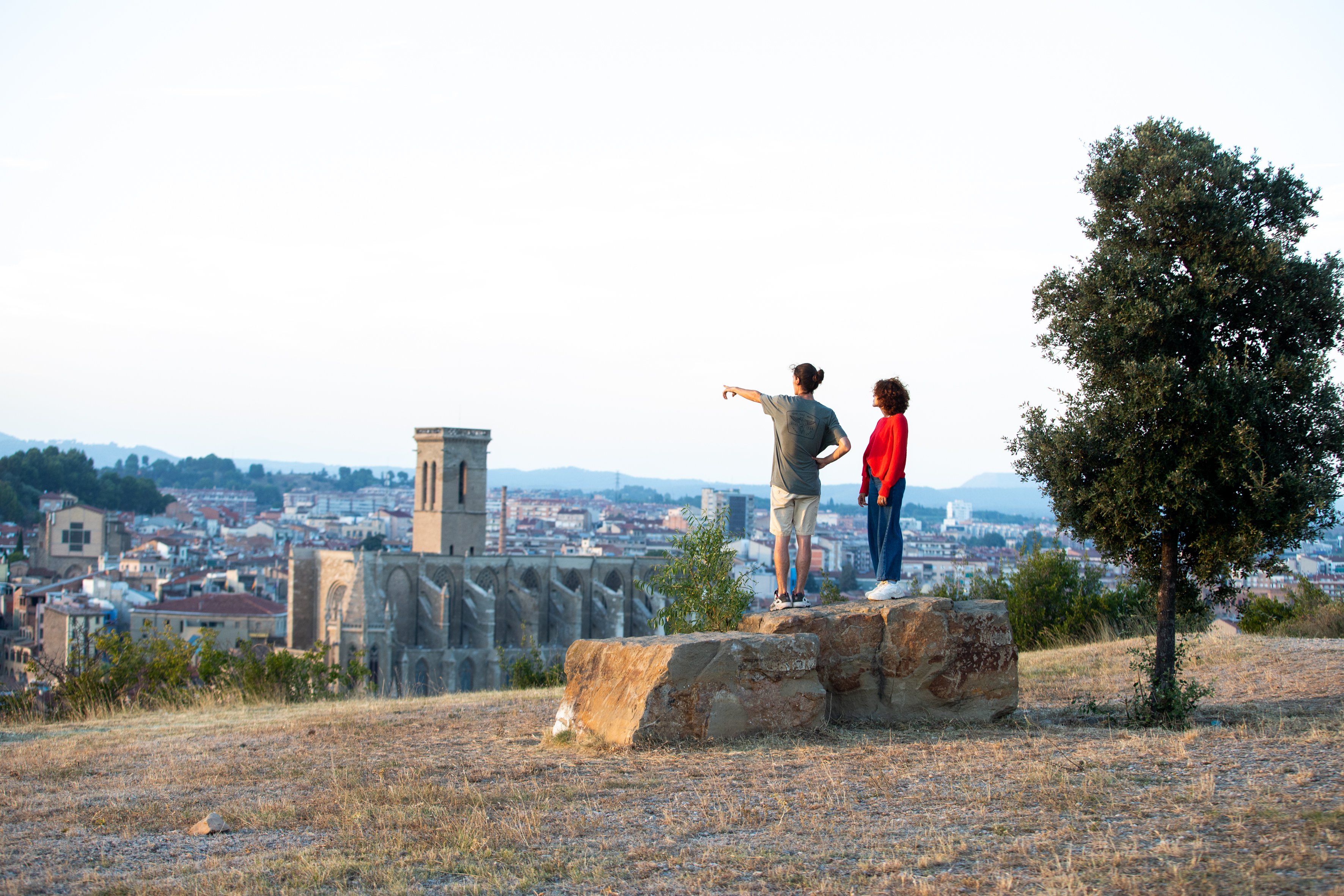
The city of Ignatius
More than 500 years ago, in 1522, Ignatius of Loyola began a pilgrimage to Jerusalem after being wounded in battle. During his journey to the Holy Land, he stayed in Manresa. The eleven months he spent in the city left a strong mark on him, with which he transformed, with his new and unique perspective, the world that followed him. Today, his footprint still ensures that the names of the city and the Cardener river, through the Society of Jesus, are present throughout the world. The inner strength of the man turned Ignatius into a key figure of modernity, providing a new perspective on people and society that, five centuries later, still endures.
The city of Manresa still preserves 22 Ignatian points that recall the pilgrim's stay and legacy in the city, including the Basilica of La Seu, the Cave of Saint Ignatius (Cova de Sant Ignasi), and the Well of Light (Pou de Llum), the place where Ignatius experienced one of the most significant episodes of his life, the Eximia Illustration of the Cardener, an event that marked the starting point for the subsequent writing of the Spiritual Exercises.
One of Ignatius' most notable legacies is the path he traveled from Azpeitia—his hometown in the Basque Country—to Manresa. Today, it is known as the Ignatian Way (Camí Ignasià), and it represents a 650 km sporting and spiritual experience through which one can enjoy the heritage, gastronomy, and natural richness of about ninety municipalities across five autonomous communities.
Manresa, the heart of Catalonia
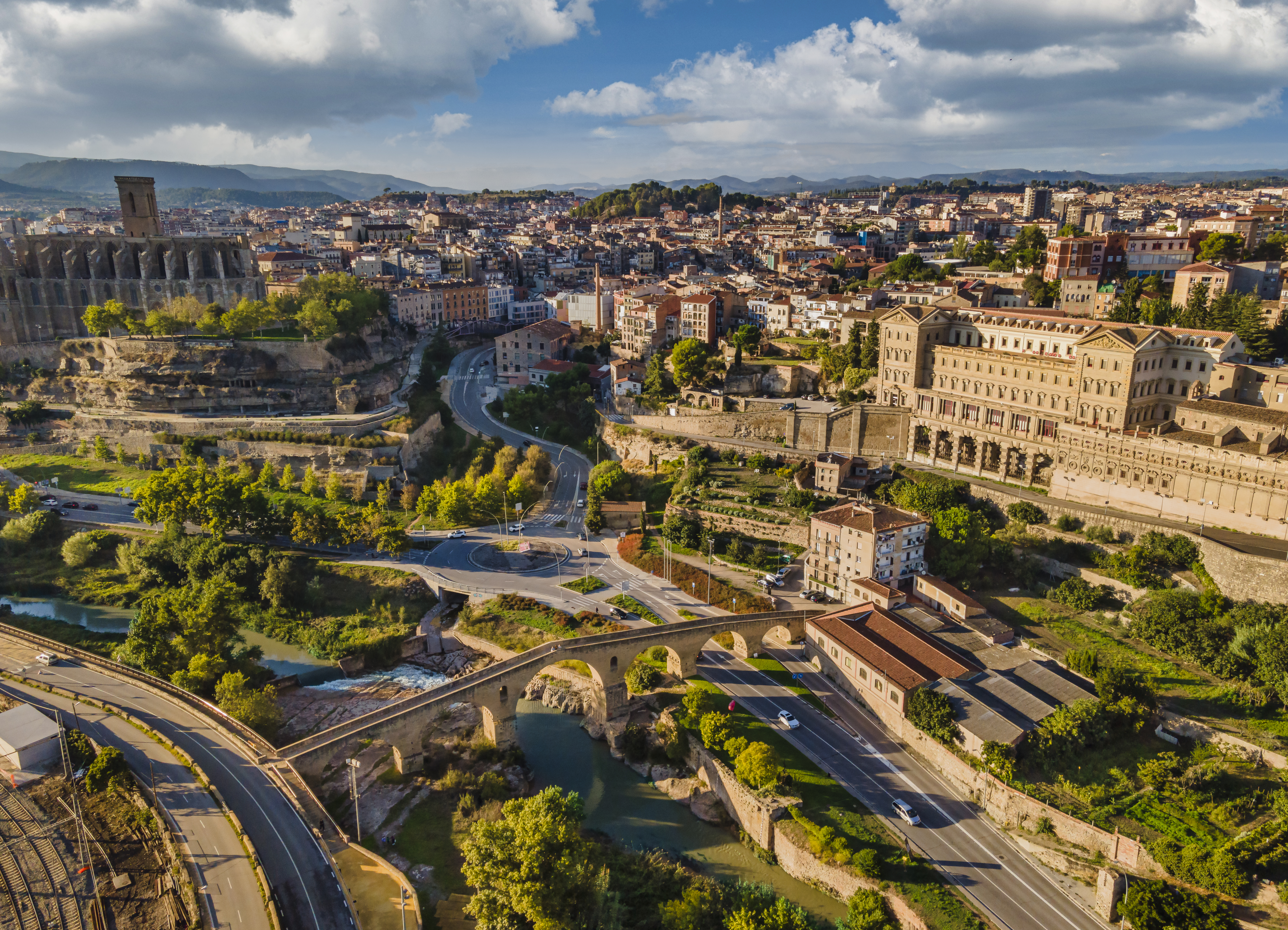
Manresa is the capital of the Bages region and is strategically located between Barcelona and the Pyrenees. Surrounded by the Cardener and Llobregat rivers, the city combines natural landscapes with a rich historical heritage. The old town preserves its medieval layout, while Gothic, modernist, and industrial architecture coexist in its streets, forming an urban complex full of contrasts and character.
Geographically, Manresa is located in the center of the country, thus earning the nickname "the heart of Catalonia." Its privileged location and the good combination of public transport and the road network allow for quick connections to the main urban centers and tourist attractions in our region.
Heritage and culture
Among the heritage emblems of Manresa, the Basilica of Santa Maria de la Seu stands out, a masterpiece of Catalan Gothic that dominates the city's skyline. Next to it, buildings such as the Pont Vell (Old Bridge), the former College of Saint Ignatius—which today houses the Manresa Museum - Baroque Museum of Catalonia—or the Casino library, reflect different stages of Manresa's past. Gothic, baroque, and modernism coexist with the daily life of the city.
A lively and welcoming city
Beyond its heritage and spirituality, Manresa is a dynamic city, with strong commercial activity and a growing innovation ecosystem.
The city also offers an active cultural program, with theater, music, contemporary art, and very vibrant traditions such as the Festa de la Llum (Festival of Light) and the Fira de l'Aixada (Hoe Fair). Throughout the year, the city hosts dozens of activities that attract visitors from all over, such as the Fira Mediterrània, the summer festival Sons del Camí, the Fira ViBa, an event that highlights the wines of the DO Pla de Bages, or the Festa Major of Manresa, which is especially notable for its Correfoc.
Furthermore, Manresa has a gastronomic offer based on local products, a prominent sports scene (with Bàsquet Manresa in the ACB league), and natural spaces around the Manresa Green Belt (Anella Verda) ideal for hiking, cycling, and sustainable tourism.


 Download